
The Skin Cancer Epidemic: Why Technology is the Answer
Skin cancer is a growing concern in the United States, with over 5.4 million cases of nonmelanoma skin cancers diagnosed each year, and melanoma cases rising by 44% in the last decade. Living in sun-drenched Southern California, particularly Pasadena, further increases your risk due to high levels of UV exposure. Early detection is critical—when melanoma is caught early, the 5-year survival rate is an impressive 99%, but delays in diagnosis can significantly reduce outcomes.
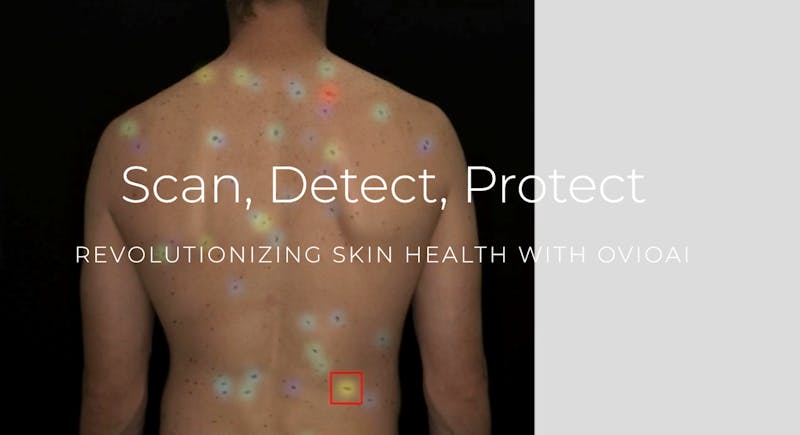
Traditional skin cancer detection methods rely heavily on the human eye and subjective interpretation, often leaving subtle changes undetected. This is where AI (Artificial Intelligence) and machine learning are making a monumental difference in how we screen and prevent skin cancer. Enter the OVIO 360, a groundbreaking skin cancer detection system powered by advanced AI technology that is redefining annual skin checks.
The Role of AI in Skin Cancer Detection
AI and machine learning are transforming industries worldwide, but their impact on healthcare is especially profound. For skin cancer detection, AI brings unparalleled precision and efficiency, enhancing diagnostic accuracy and empowering early intervention.
How AI Works in Skin Cancer Detection:
- Machine Learning Algorithms: AI systems are trained on vast datasets of skin cancer images to learn patterns and recognize abnormalities, including moles, lesions, and pigmentation irregularities.
- Pattern Recognition: AI can detect subtle skin changes that might otherwise go unnoticed by the human eye.
- Continuous Learning: With each scan, the AI system gets “smarter,” improving its diagnostic accuracy over time.
OVIO 360 leverages these advanced capabilities to offer Pasadena residents a more reliable and efficient way to stay ahead of skin cancer.