
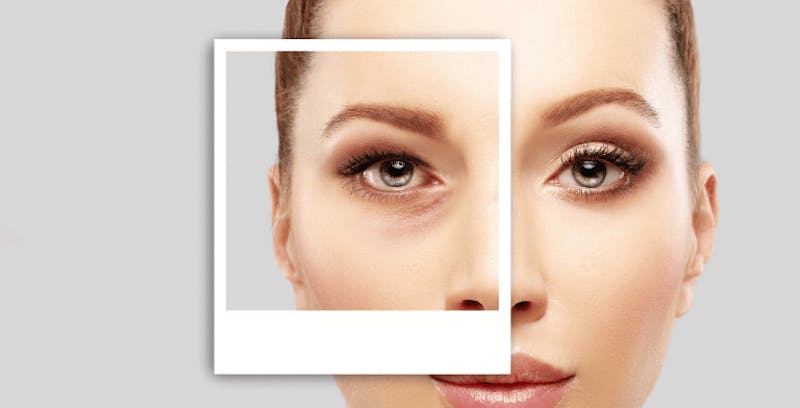
Wondering if there’s a way to correct drooping eyelids or prevent that thin skin from sagging with age? You might want to consider blepharoplasty surgery. Blepharoplasty is the more technical term for eyelid lift surgery. This surgery is typically done to reduce sagging and drooping around the eyes, which can hinder vision and cause someone to look much older than they are.
The skin around the eyes, and especially the eyelids, is thin. This means it tends to show age sooner than in other areas. That delicate skin loses elasticity and strength faster, leading to wrinkles, sagging, and drooping. Whether it impacts your vision or simply how you see yourself, eyelid surgery could be a good option.
Blepharoplasty Basics
Blepharoplasty can improve the appearance of the upper and/or lower eyelids. Its primary goals are to enhance the area around the eyes and to correct vision impairment caused by drooping eyelids.
Blepharoplasty can address various issues, such as:
- Excess skin that obstructs vision or alters the natural shape of the upper eyelid.
- Loose or sagging skin that creates folds or wrinkles on the upper or lower eyelids.
- Puffy pockets of fat beneath the eyelids.
- Bags under the eyes.
- Drooping of the lower eyelids, which can cause the white of the eye to be visible below the iris.
- Fine lines and wrinkles on the lower eyelid.
If you’re considering blepharoplasty for cosmetic reasons, it’s important to explore other options as well. These could include making lifestyle changes or practicing self-acceptance.
While eyelid surgery is generally safe and commonly done, it is a surgery that requires local anesthesia and possibly sedation. Risks are involved, so being informed and choosing the right practitioner will help. You should also understand all the reasons you are seeking treatment. If you’re considering blepharoplasty, it’s important to keep in mind several factors, such as:
- Upper eyelid surgery is separate from lower eyelid surgery. However, upper and lower eyelid surgery can be done simultaneously.
- Blepharoplasty is not designed to address issues such as dark circles under the eyes, drooping eyebrows, or crow’s feet.
- The financial cost of the surgery should be considered. Cosmetic procedures are generally not covered by Medicare or private health insurance providers. However, if your drooping eyelids interfere with your visual field, insurance may cover it. Your surgeon may recommend or refer you to a vision specialist to do a visual field test.
Blepharoplasty Surgery Types
There are many nuances to blepharoplasty surgery depending on what needs correction and what the goal is. Some people benefit from a blepharoplasty due to vision issues, while others may seek an appearance adjustment. Both are valid reasons, but will make a difference for the procedure itself.
Functional
Functional blepharoplasty is generally sought to correct vision issues caused by excess skin. The procedure focuses on only removing the skin to help the patient see better by removing obstructions. If you want a blepharoplasty surgery for functional purposes, it may be covered by your insurance.
Cosmetic
Blepharoplasty for cosmetic purposes can address the upper eyelid, the lower eyelid, or both. Lower eyelid blepharoplasty can involve removing excess skin, redistributing or removing excess fat, or a combination of these techniques.
It’s important to have realistic expectations before undergoing blepharoplasty for cosmetic reasons. While the procedure can enhance the appearance of your eyelids, it’s not designed to make drastic changes to your overall facial appearance.
Right Candidate
Blepharoplasty won’t work for everyone or provide the ideal results. To be a suitable candidate for eyelid lift surgery, a person should have excess skin or fat on their upper and/or lower eyelids. This can cause a tired, aged, or puffy appearance. Additionally, they should be in good overall health, free of any medical conditions that could increase the risks associated with the surgery, and have realistic expectations about the procedure’s results.
Candidates should not have any active eye conditions or infections and should be non-smokers or willing to stop smoking for a period before and after the surgery. The final decision on whether someone is a good candidate for eyelid lift surgery will depend on a comprehensive evaluation by a qualified surgeon.
Treatment Overview
Blepharoplasty is typically performed on an outpatient basis using local anesthesia and sedation. This means you can leave the facility after your procedure and won’t need to be monitored overnight. The procedure can range from 30 to 60 minutes, depending on whether one or both the upper and lower eyelids require treatment.
During the surgery, incision lines are generally made along the natural crease lines of the upper eyelids. Excess skin and fat deposits are then removed, and in some cases, a strip of the orbicularis oculi muscle may be taken out to enhance the eyelid crease.
For lower eyelid surgery, the incision may be made below the lower lash line or on the inside of the eyelid. Depending on the method, excess skin may be removed, or fat may be redistributed or removed.
After the procedure, the incisions are closed with either removable sutures, surgical tape, or skin adhesives. If you receive stitches, they are typically removed several days after surgery.
Blepharoplasty Surgery: Post-Op
After surgery, it’s essential to follow all instructions from your surgeon to ensure proper healing. You may experience some mild swelling, bruising, irritation, or dryness in the eyes. However, these symptoms are generally manageable, and the swelling typically subsides within two weeks. During this time, avoiding contact lenses or eye makeup is advisable.
Your stitches will typically be removed within three to five days after surgery. To protect your eyes from sunlight and wind, it may be recommended that you wear dark sunglasses for the next two weeks. You can usually return to work within a few days to a week but should refrain from engaging in strenuous activities or exercise for at least two weeks.
Blepharoplasty Surgery: Alternative Treatments
A blepharoplasty surgery may deliver desired results, but it isn’t the only option for drooping or saggy eyelids. Some people may prefer less invasive options, and some may work better for what you want. Hooded eyes can cause a lot of issues, but these are a few options that could help in place of surgery:
- Botox injections. Botox can help lift the eyebrow and reduce the appearance of saggy skin around the eyes.
- Dermal fillers. Like Botox, fillers can help lift the eyebrow thereby lift the skin around the eye.
- Prescription eye drops like UPNEEQ (oxymetazoline hydrochloride ophthalmic solution). These drops can help lift droopy eyelids.
- Radiofrequency treatments. Treatments that use heat can tighten the skin and lift the eyebrows.
- Thread lifts. Getting a thread lift involves temporary sutures that can slightly lift the eyebrows.
- Surgical Brow Lift. This is an invasive surgical procedure, however, in some instances is the correct approach to reduce eyelid ptosis or droop.
Speaking with a practitioner is the best way to determine which solution suits your needs. Surgery may be best for dealing with deep hooded eyes that hinder vision. But if you want to try some cosmetic solutions, one of the above treatments might give you an idea of what it would look like so you can try some things out before committing to surgery.
Bright Eyed
Our eyes are one of the most noticeable features on our faces. If you have difficulty seeing out of them or feel self-conscious about their appearance, it can drastically impact your life. Blepharoplasty surgery might help boost self-confidence or improve sight so that you can get a better look at yourself and the world around you.
Not everyone is an ideal candidate for eyelid surgery. Consulting with a professional will help you better understand your options and determine what would work best for you and your eyes. And finding a surgeon you can trust is essential within that process. Leif Rogers, MD, and his team have years of experience working with patients to help them see the best results possible. If you want to know more about blepharoplasty or your alternate options to help with droopy eyelids, reach out today for a consultation.